Follow Me On Social Media!
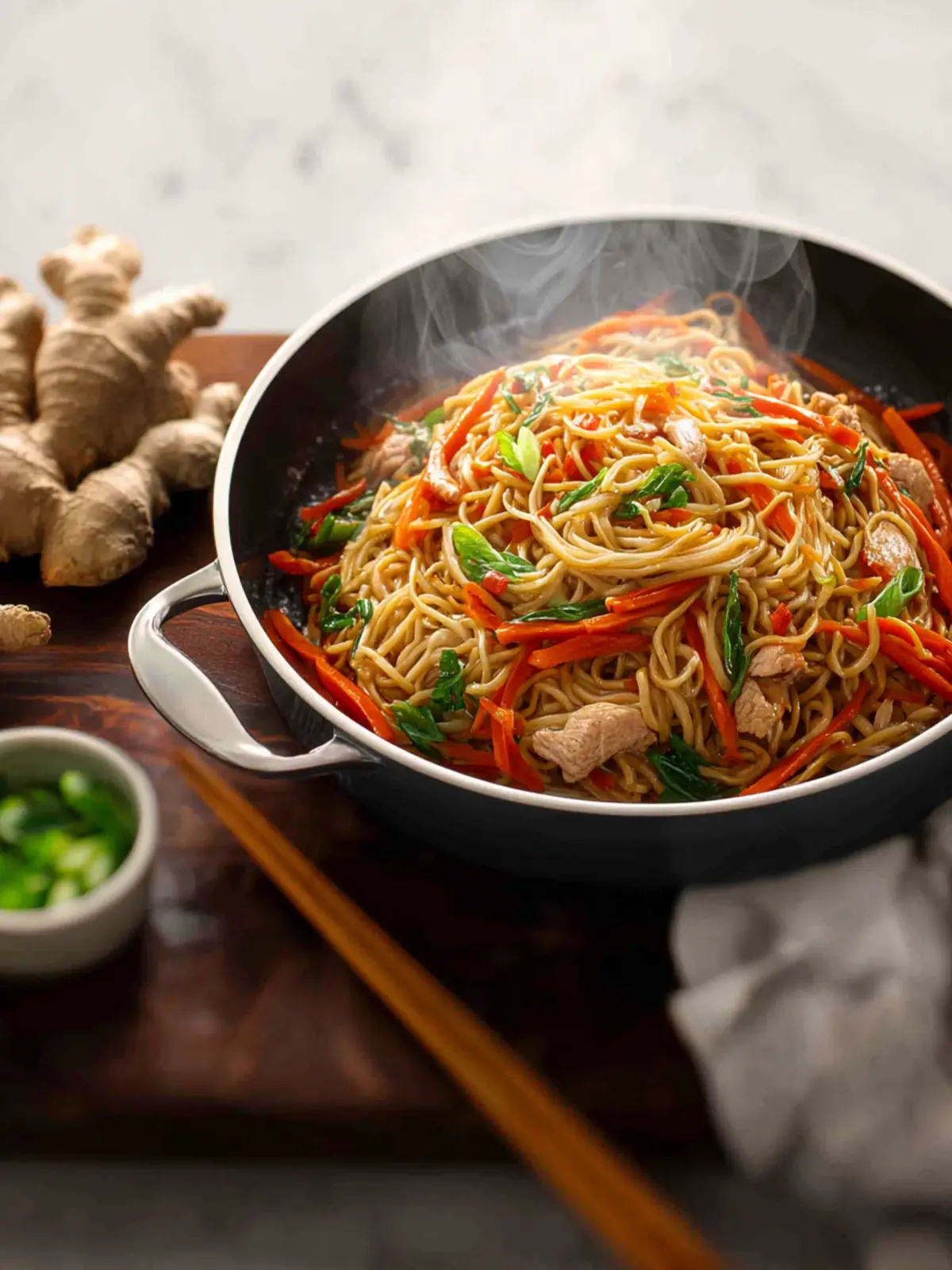
Chow Mein: Irresistibly Crispy and Flavor-Packed Delight

Introduction to Chow Mein
Imagine stepping into a bustling street market in China, where savory aromas waft through the air, enticing your senses and inviting you to explore an array of culinary delights. Chow Mein is one such dish that captures the heart of both street food and homemade comfort. With its stir-fried noodles, colorful vegetables, and a medley of protean options, chow mein is more than just a meal; it’s an experience that brings friends and family together around the dining table.
What is Chow Mein and why is it so appealing?
Chow mein is a traditional Chinese noodle dish that showcases the versatility of simple ingredients. The dish primarily consists of egg noodles that are stir-fried until they reach a perfect caramelized finish, adding a delightful crunch to each bite. Often paired with a vibrant mix of fresh vegetables such as bell peppers, bean sprouts, and scallions, it’s both nutritious and visually appealing.
The charm of chow mein lies in its adaptability. Whether you’re a vegetarian craving a vibrant veggie medley or a meat lover looking for succulent chicken, beef, or shrimp, this dish caters to all tastes. And let’s not forget the sauce—a stir of soy sauce, garlic, and ginger ties it all together, creating a flavor profile that is both savory and satisfying.
Not only does chow mein offer a feast for your taste buds, but it also embodies the spirit of communal dining, making it a go-to option for gatherings, late-night cravings, or a quick weeknight dinner. The process of preparing chow mein is straightforward, allowing you to unleash your creativity in the kitchen while enjoying the role of chef.
With its rich history and compelling flavors, chow mein continues to be a beloved dish worldwide. As we dive into the recipe ahead, you’ll find that this noodle dish is not just a favorite for its taste, but also for the warmth and joy it brings through sharing and relishing a home-cooked meal.
So grab your wok and let’s get started on crafting the perfect plate of chow mein!
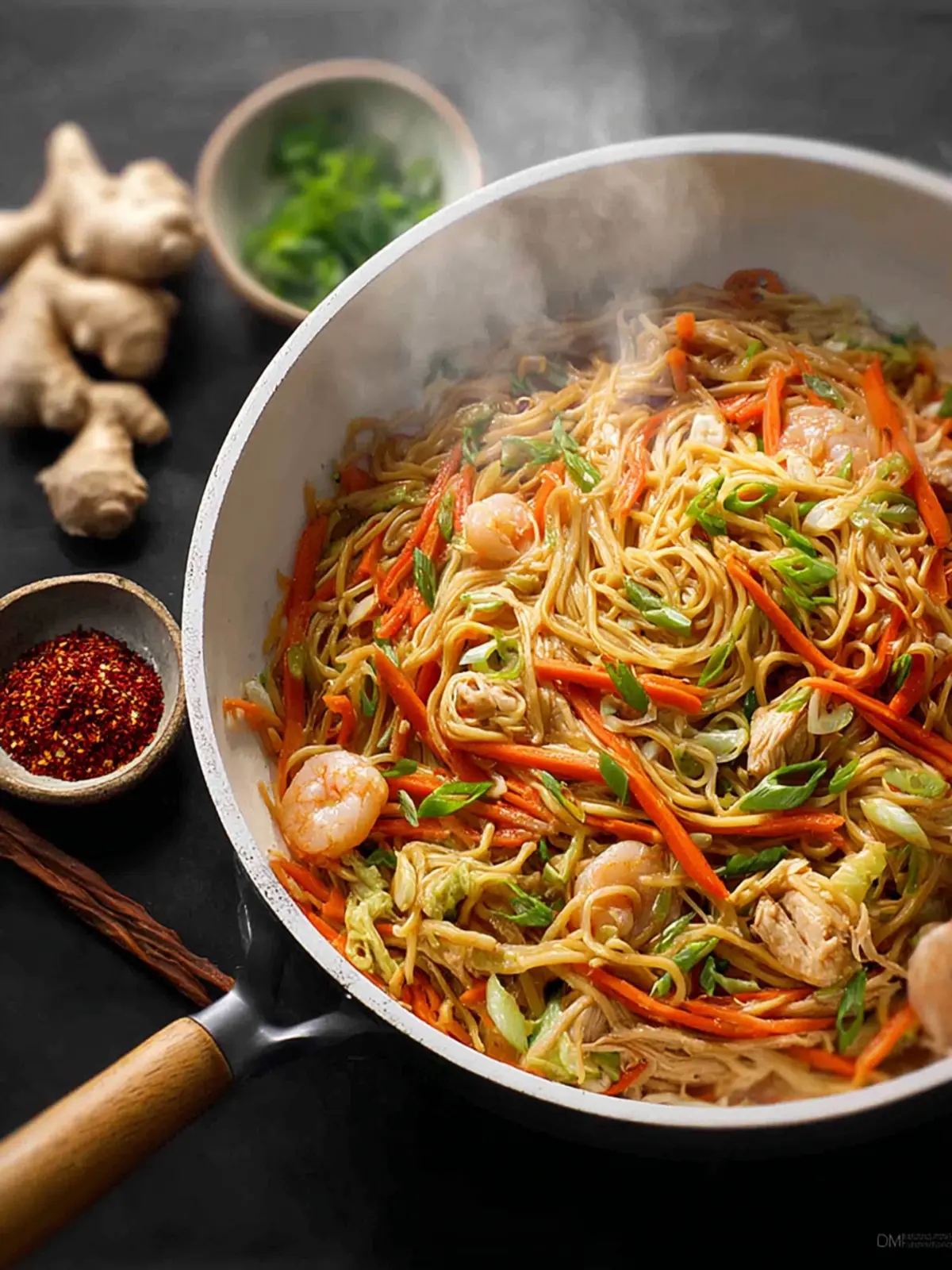
Key Ingredients for Chow Mein
Chow Mein isn’t just a dish; it’s a delightful experience that brings a burst of flavor into your everyday meals. This classic stir-fried noodle dish is incredibly versatile, allowing you to get creative with the ingredients you choose.
Noodles: The backbone of any chow mein is the noodles. Opt for fresh egg noodles for a rich, chewy texture. If you can’t find those, dry stir-fry noodles work beautifully as well.
Vegetables: Fresh vegetables are crucial for a vibrant chow mein. Think bell peppers, snow peas, carrots, and green onions. They not only add nutrition but also infuse color and crunch into each bite.
Protein: Whether you prefer chicken, beef, shrimp, or tofu, the protein choice elevates the dish. Slicing your protein thin ensures quick cooking and maximum flavor absorption.
Soy Sauce: This magical ingredient adds depth and umami. A good quality soy sauce enhances the dish with a savory punch that perfectly complements the noodles.
Sesame Oil: A drizzle of sesame oil at the end offers a nutty aroma that ties the dish together. It’s a small step that makes a big difference in flavor.
Using these key ingredients, you’ll transform simple noodles into an unforgettable meal worthy of any table.
Why You’ll Love This Chow Mein Recipe
The comforting flavors of home-cooked meals
There’s something special about a good chow mein dish. It captures the essence of home-cooked meals, providing a burst of nostalgia with every bite. The combination of tender noodles, crisp vegetables, and savory sauce transports you straight to that cherished family dinner table. It’s a simple reminder of those cozy evenings spent enjoying a delicious meal, making it an instant favorite.
A quick and easy weeknight dinner solution
Busy weeknights can throw anyone into a cooking frenzy, but this chow mein recipe is here to save the day. With minimal prep and a cooking time that fits snugly into your evening schedule, you can whip up a satisfying meal in no time. You might even have some leftovers, which will taste just as great for lunch the next day! This dish invites you to creatively use whatever veggies or proteins you have on hand, making it as versatile as it is delightful. Plus, the vibrant colors and fresh aromas will have you dining like it’s a special occasion—because who says weeknight dinners can’t be exciting?

Cooking Tips and Notes for Chow Mein
Achieving the Perfect Noodle Texture
The secret to achieving that ultimate chow mein texture lies in how you prepare your noodles. Start by selecting the right noodle type—Chinese egg noodles are a fantastic choice, as they offer a deliciously chewy texture. When cooking, boil the noodles until just al dente, ensuring they remain slightly firm to the bite; this helps prevent sogginess during stir-frying. Once drained, toss them with a splash of sesame oil to keep them from sticking together. This small step makes a world of difference in the final dish.
Importance of Prepping Ingredients in Advance
Have you ever found yourself in the middle of cooking, wishing you’d chopped your veggies ahead of time? That’s where prepping ingredients comes into play. For chow mein, take the time to slice your vegetables—bell peppers, carrots, and scallions—before you heat the pan. This ensures everything cooks evenly and quickly, giving you that delightful crunch. Plus, having everything organized helps you focus on technique rather than searching for ingredients, making your cooking experience smoother and more enjoyable. With these tips, your chow mein is sure to impress!
Serving Suggestions for Chow Mein
Chow Mein is not just a meal; it’s an experience that invites creativity and flavor into your kitchen. Whether you’re whipping up a quick dinner after a long day or impressing friends during a gathering, serving suggestions for chow mein can elevate your dish to something truly memorable.
Pairing with Additional Toppings or Sides
Enhance your chow mein by adding a variety of toppings or side dishes. Consider:
- Sesame Seeds: Toasted sesame seeds sprinkle beautifully on chow mein, adding a nutty flavor and crunch.
- Chopped Green Onions: Fresh green onions bring a burst of color and a mild oniony bite that complements the dish well.
- Crushed Red Pepper Flakes: For those who love a little heat, a sprinkle of red pepper flakes can transform your chow mein into a spicy delight.
Ideal Accompaniments for a Complete Meal
To create a harmonious meal, pair your chow mein with other Asian-inspired dishes. Think:
- Spring Rolls: Crispy and filled with vegetables or meat, they make a delightful starter.
- Wonton Soup: A light and comforting soup that balances out the richness of chow mein.
- Edamame: Steamed edamame with a pinch of sea salt is a fantastic source of protein and adds a touch of color to your meal.
With these serving suggestions, your chow mein will surely impress and satisfy!
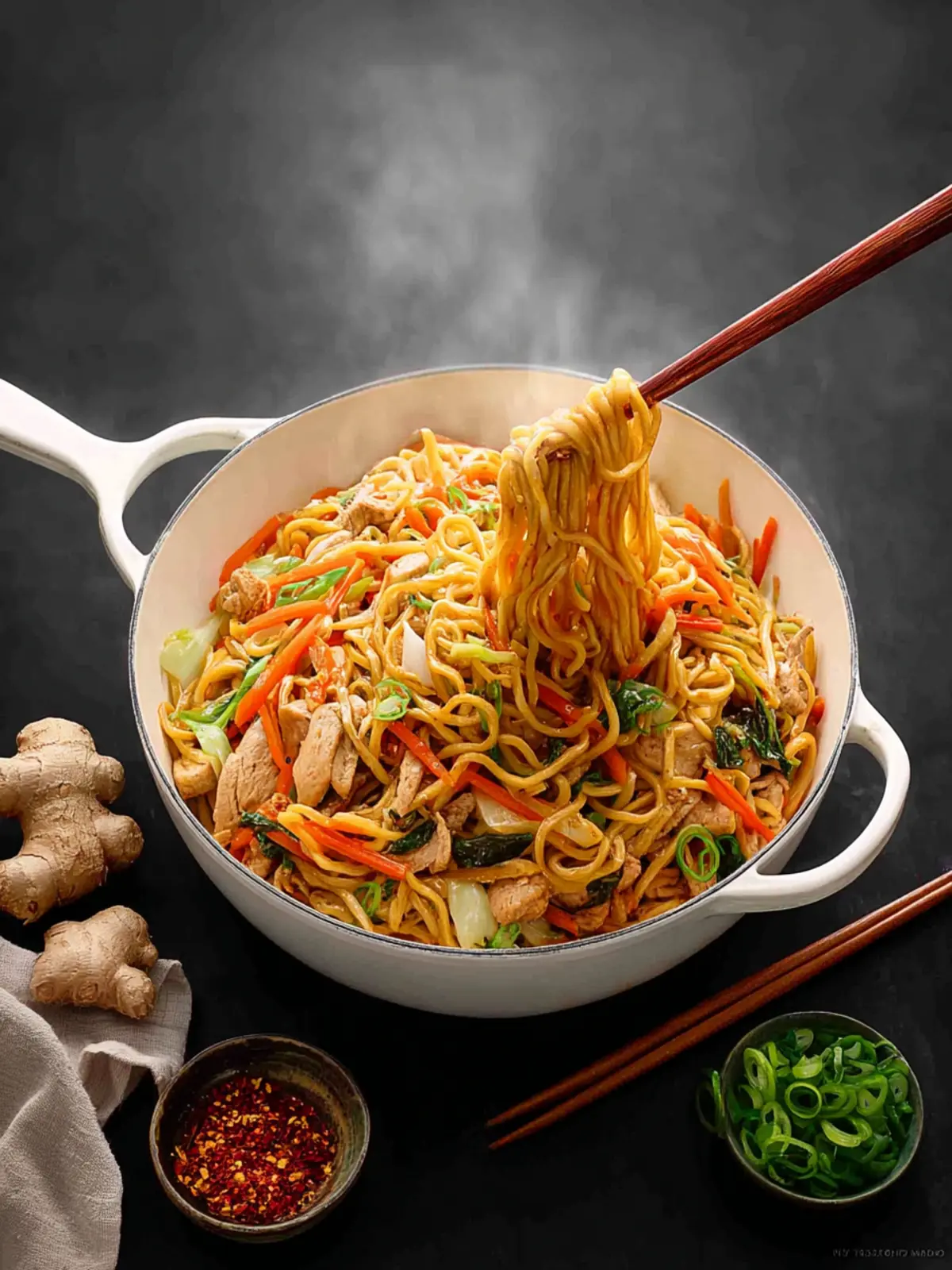
Time Breakdown for Chow Mein Preparation
Preparation Time
Getting your Chow Mein ready starts with prepping your ingredients, which usually takes about 15 minutes. This includes slicing veggies, chopping garlic, and measuring out sauces. Having everything organized makes the cooking process smoother and more enjoyable.
Cooking Time
The actual cooking generally takes around 10-15 minutes. Once your ingredients are prepped, you’ll quickly stir-fry them over high heat for that perfect crunchy texture and delicious flavor.
Total Time
In total, you’ll spend about 25-30 minutes making your Chow Mein. This makes it an ideal option for those busy weeknights when you crave something quick yet fulfilling. By the end, you’ll have a delightful dish ready to impress!
Nutritional Facts for Chow Mein
Chow mein, a beloved dish enjoyed across the globe, offers not just delightful flavors but also essential nutrition. Understanding the nutritional breakdown can help you savor every bite while keeping an eye on your dietary goals.
Calories
A typical serving of chow mein contains around 200-300 calories, depending on the preparation method and ingredients used. This makes it a great option for a satisfying meal without overloading your calorie count.
Protein
Chow mein is a good source of protein, with most versions containing approximately 8-12 grams per serving. Adding chicken, shrimp, or tofu can boost this number significantly, making it a well-rounded meal.
Sodium
Keep in mind that chow mein recipes can be high in sodium, with content varying between 800-1500 mg per serving, largely depending on the sauces used. Opting for low-sodium soy sauce or homemade versions can help control your intake while still enjoying this classic dish.
FAQs about Chow Mein
Chow Mein holds a special place in many people’s hearts, becoming a beloved dish that sparks memories of comforting meals shared with friends and family. Whether you’re whipping up a batch for a weeknight dinner or impressing your guests, it’s vital to know a few things about this savory stir-fried noodle dish.
Can I make Chow Mein vegetarian?
Absolutely! Making a vegetarian version of chow mein is simple and delicious. You can substitute the meat in your recipe with a variety of vegetables such as bell peppers, broccoli, and carrots. Tofu is also a fantastic option for added protein. Just make sure to use a vegetarian-friendly sauce, and you’re good to go!
What type of noodles can I use if I can’t find Chow Mein noodles?
If chow mein noodles are tough to find, don’t fret! You can easily swap them out with other noodles like:
- Lo mein noodles: These are softer and a bit thicker than chow mein noodles, but they’ll still work great.
- Rice noodles: A gluten-free alternative that brings its unique texture to the dish.
- Spaghetti or linguine: In a pinch, these pasta types can mimic the chewiness of chow mein noodles, though they will alter the flavor slightly.
How do I store leftovers?
Storing leftover chow mein is straightforward! Place it in an airtight container in the fridge, and it should stay fresh for up to 3 days. To reheat, simply stir-fry on medium heat or use the microwave in short intervals, adding a splash of water to keep the noodles from drying out. Enjoy your leftovers as a quick lunch or dinner, with that same mouth-watering flavor!
Conclusion on Chow Mein
As we wrap up our journey through the delightful world of Chow Mein, it’s evident that this dish is more than just a satisfying meal; it’s a canvas for culinary creativity. Picture vibrant vegetables and perfectly cooked noodles combined with a savory sauce, creating a flavor profile that dances on the palate. Whether you opt for the classic stir-fried version or experiment with your favorite proteins, Chow Mein is versatile enough to suit any occasion. So the next time you’re in need of a quick weeknight dinner or an impressive dish for guests, remember that this beloved staple can always deliver satisfaction and joy in every bite.
Print
Chow Mein Stir Fry Noodles
- Total Time: 35 minutes
- Yield: 4 servings 1x
- Diet: Gluten-Free
Description
Delicious and savory Chow Mein Stir Fry Noodles with chicken and fresh vegetables.
Ingredients
Scale
- 12 ounces Chow Mein Stir Fry Noodles
- 1 pound Boneless Skinless Chicken Breasts
- 2 Tablespoons Vegetable Oil (divided)
- 1/2 teaspoon Salt
- 1/2 teaspoon Pepper
- 3 cups Finely Shredded Cabbage
- 2 Carrots (peeled and shredded)
- 1 cup Fresh Bean Sprouts
- 3 cloves Garlic (minced)
- 2 teaspoons Fresh Grated Ginger
- 4 Green Onions (sliced)
- 1/4 cup Oyster Sauce
- 1/4 cup Soy Sauce
- 2 Tablespoons Sesame Oil
- 1 Tablespoon Rice Vinegar
- 1 Tablespoon Cornstarch
- 1 Tablespoon Brown Sugar
Instructions
- Cook the chow mein noodles based on the package instructions to al dente. Drain and rinse with cold water.
- In a small bowl, whisk together the sauce ingredients. Set aside.
- Heat 1 Tablespoon of the oil in a large deep skillet over medium high heat.
- Add the chicken. Season it with salt and pepper. Sauté for 3-4 minutes per side until cooked through and both sides are slightly browned.
- Add another tablespoon of oil to the pan. Heat over medium heat.
- Add in the chopped cabbage, carrots and bean sprouts (if using). Sauté for 1-2 minutes until slightly soft.
- Add in the garlic and fresh ginger. Cook for about a minute until you can start to smell the garlic.
- Add the noodles and the sauce mixture to the pan. Carefully toss to coat all the ingredients with the sauce.
- Serve immediately garnished with green onions. Enjoy!
Notes
- Feel free to add other vegetables such as bell peppers or snap peas for added nutrition.
- If you prefer a spicier dish, consider adding crushed red pepper flakes.
- Prep Time: 15 minutes
- Cook Time: 20 minutes
- Category: Main Course
- Method: Stir Fry
- Cuisine: Asian
Nutrition
- Serving Size: 1 cup
- Calories: 450
- Sugar: 4g
- Sodium: 900mg
- Fat: 14g
- Saturated Fat: 2g
- Unsaturated Fat: 8g
- Trans Fat: 0g
- Carbohydrates: 65g
- Fiber: 3g
- Protein: 30g
- Cholesterol: 75mg