Follow Me On Social Media!
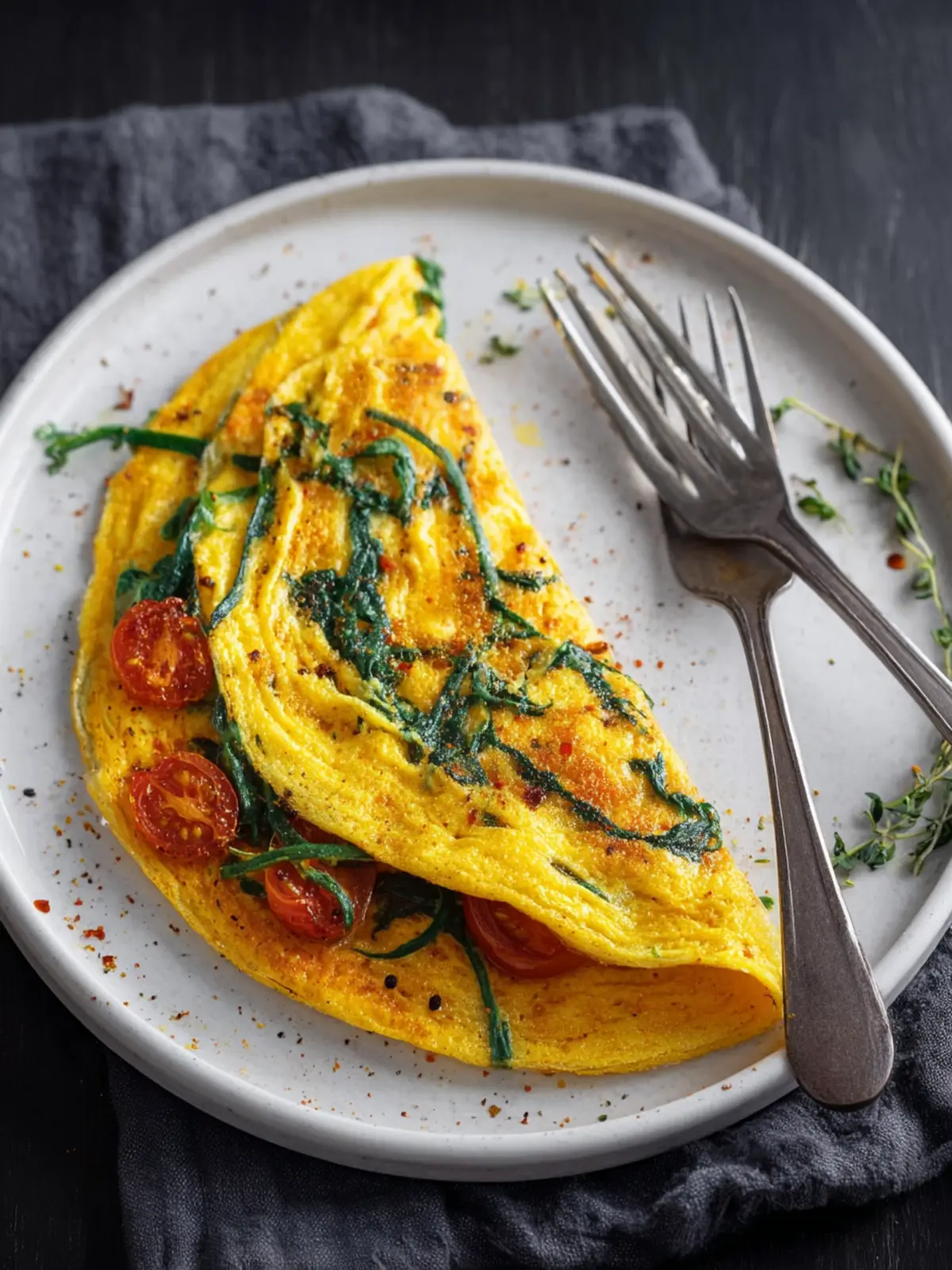
Vegan Omelette That Doesn’t Stick: High-Protein Perfection!

Introduction to Vegan Omelette That Doesn’t Stick
There’s a little magic in the idea of a vegan omelette that doesn’t stick, and it’s something that many plant-based eaters yearn for—a savory, fluffy breakfast that holds together beautifully. Picture this: it’s a bright Saturday morning, and you decide to whip up a delicious brunch for friends. You want to impress them with a dish that’s not only satisfying but allows everyone to partake, regardless of dietary preferences. This is where the vegan omelette that doesn’t stick shines, transforming your kitchen into a spot for culinary creativity and community gathering.
The Rise of Plant-Based Eating
Over the past decade, the trend towards plant-based eating has skyrocketed, fueled by an increasing awareness of health, animal welfare, and environmental sustainability. In fact, a recent study indicated that approximately 39% of U.S. adults are trying to incorporate more plant-based foods into their diets. As the demand for vegan options grows, so does the need for satisfying and accessible recipes that can cater to everyone, regardless of their dietary choice.
Imagine the appeal of a fluffy omelette, brimming with vibrant vegetables and rich flavors, all without the use of eggs. This recipe not only offers a delicious alternative but also packs in a punch of plant-based protein, making it a robust start to the day.
Whether you’re vegan, vegetarian, or a curious omnivore looking to mix things up, this vegan omelette that doesn’t stick is more than just food—it’s a celebration of flavor and creativity on a plate. With the right combination of ingredients, you can recreate that classic omelette experience, with a low risk of anything clinging stubbornly to the pan. Get ready to gather your friends, savor the memories made around the kitchen table, and enjoy every bite of your flavorful, high-protein creation.
In the following sections, we’ll dive deeper into the essential ingredients and steps to craft a stunning vegan omelette that will have everyone coming back for seconds!
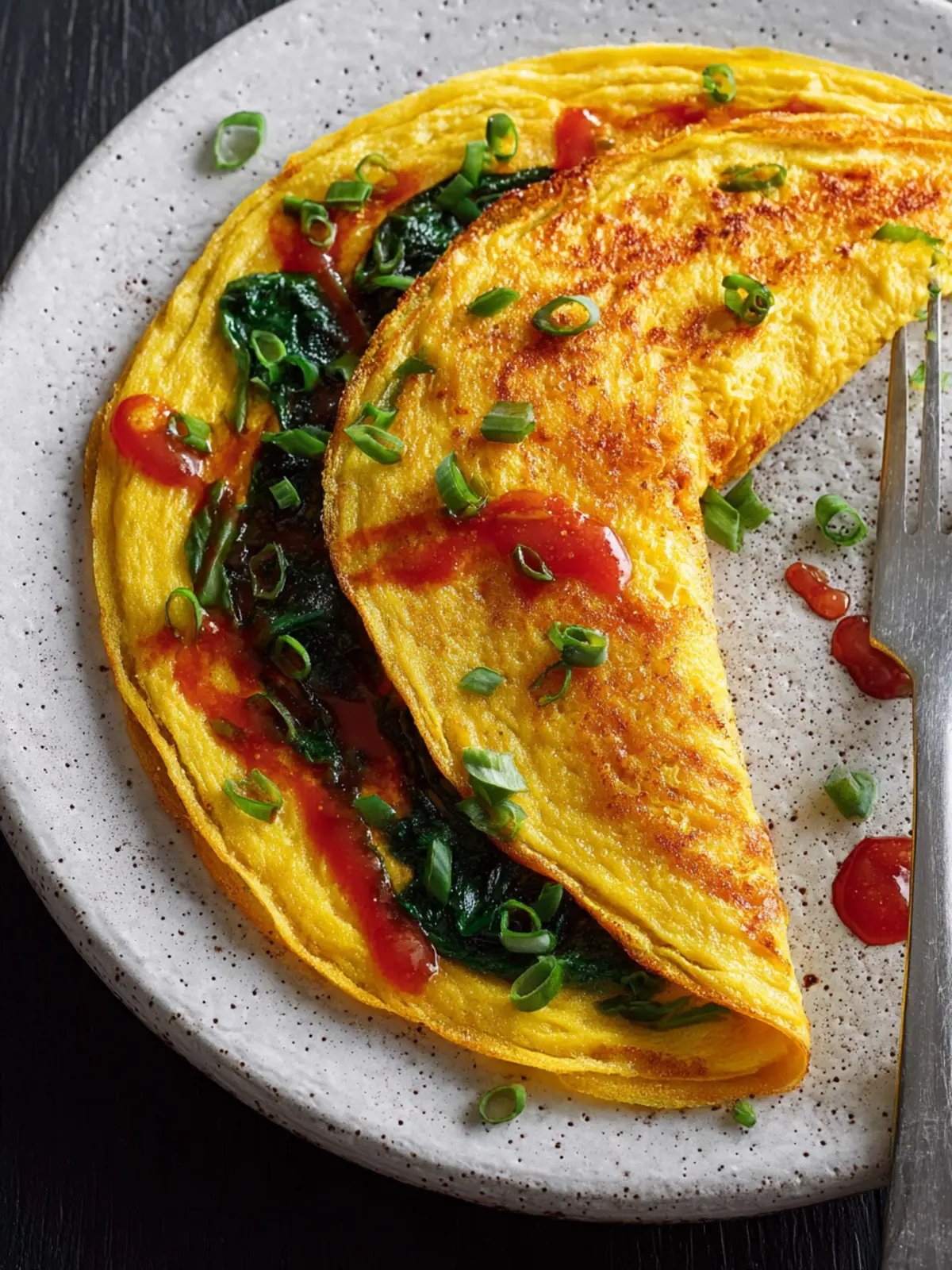
Key Ingredients for Vegan Omelette That Doesn’t Stick
Chickpea Flour: The star ingredient in a vegan omelette that doesn’t stick is chickpea flour, also known as besan. This flour creates a fantastic texture, providing that egg-like consistency we crave, while being rich in protein—it’s a powerhouse! Plus, it gives your omelette a beautiful golden hue when cooked.
Water: Combining chickpea flour with water creates a smooth batter that mimics traditional egg omelettes. The water activates the flour, creating a cohesive base that holds everything together, preventing any sticking action when you pour it into the pan.
Nutritional Yeast: A sprinkle of nutritional yeast not only enriches the flavor with a cheesy undertone but also adds a healthy dose of vitamins and minerals, making your omelette not only tasty but nutritious!
Turmeric: For color and health benefits, adding a pinch of turmeric will enhance the golden vibe of your omelette. Turmeric is known for its anti-inflammatory properties, so it’s a healthy twist to your breakfast!
Spices: Seasoning is key! A mix of salt, pepper, and your choice of spices can elevate the flavor profile significantly, allowing you to customize your vegan omelette that doesn’t stick to your taste preferences.
Why You’ll Love This Vegan Omelette
Imagine starting your day with a fluffy vegan omelette that doesn’t stick, a vibrant twist on the classic breakfast favorite that not only satisfies your cravings but fuels your energy for whatever lies ahead. This recipe is a game-changer, especially for those busy mornings when a substantial breakfast makes all the difference.
What sets this vegan omelette apart is its impressive high-protein content, thanks to its star ingredient: chickpea flour. Packed with fiber and nutrients, this flour transforms into a wonderfully savory omelette that’s both light and filling. You’ll appreciate how easy it is to whip up, needing just a handful of common pantry items.
Let’s not forget the versatility! You can customize your vegan omelette by tossing in any veggies or herbs you have on hand, making it adaptable to your taste. Whether you’re a lifelong vegan or simply looking to reduce your animal product consumption, this dish stands as a delicious bridge between both worlds. Plus, there’s nothing more satisfying than knowing you’re fueling your body with wholesome ingredients, all while enjoying a meal that feels indulgent. Each bite offers a reminder that plant-based eating doesn’t mean sacrificing flavor or fun.
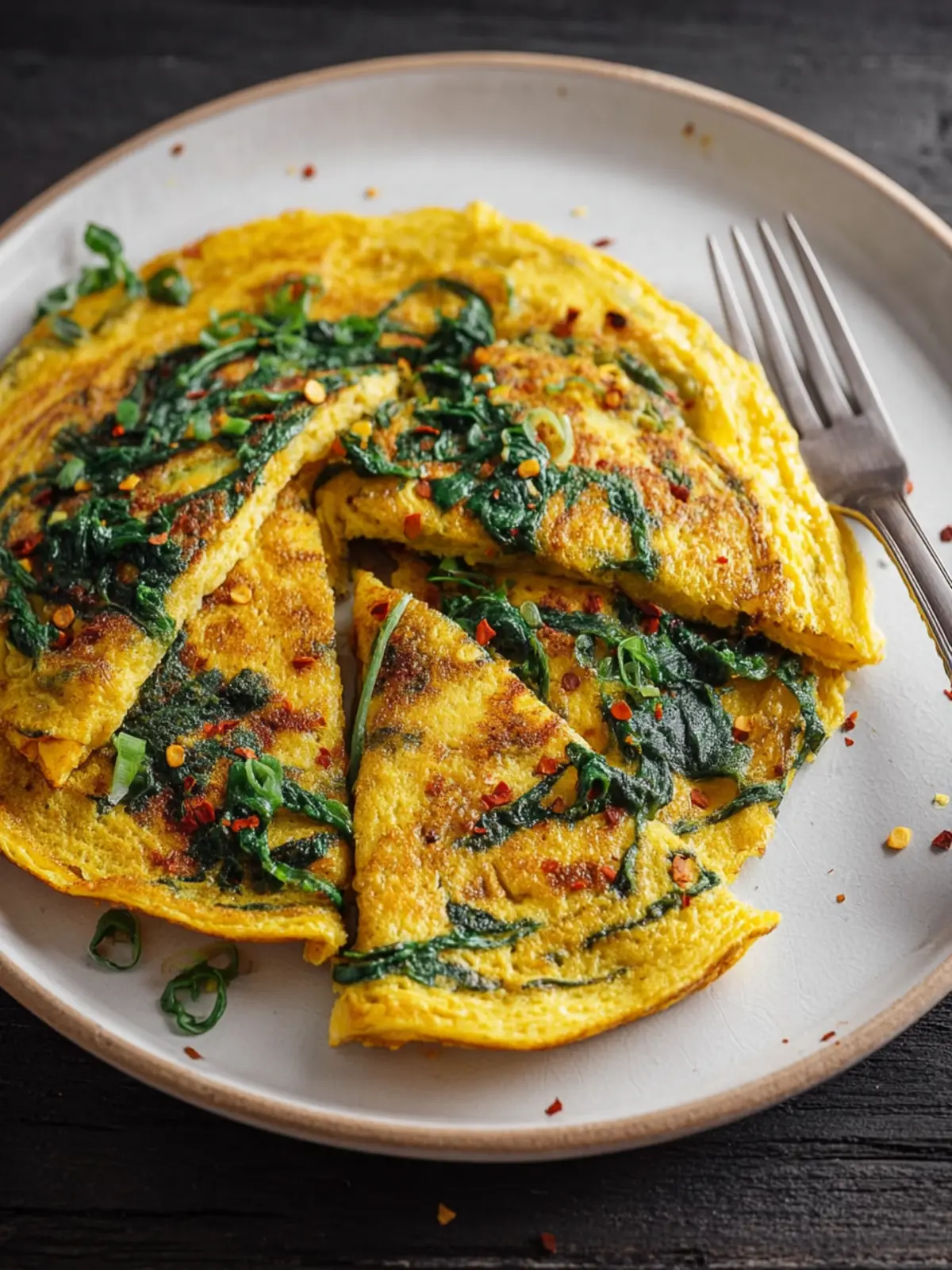
Cooking Tips and Notes for a Perfect Vegan Omelette
Making a vegan omelette that doesn’t stick can be a delightful culinary adventure. Imagine flipping that perfect, golden, plant-based creation without a care in the world! Follow these tips to ensure your omelette comes out tasting amazing while also being easy to manage.
Choose Your Ingredients Wisely
Flaxseed meal or aquafaba is your best friend! Flaxseed gives a lovely binding effect, while aquafaba adds extra fluffiness. Whichever you choose, a good ratio of liquid to dry ingredients is essential for the desired texture.
Get the Right Pan
A non-stick skillet is crucial. Even if you don’t have one, adding a bit of oil and allowing it to heat up enough before pouring in your batter can work wonders. This little step can contribute significantly to your optimal vegan omelette that doesn’t stick.
Perfect Your Cooking Technique
Cook on medium heat! Too high, and the outside will burn while the inside stays soggy. Patience is key. Gently shake the pan as it cooks to release any sticking.
Add Flavor and Fillings
Don’t hold back on the herbs and spices. Fresh chives, nutritional yeast, or even a dash of turmeric can elevate your omelette. Fillings like sautéed mushrooms or spinach add both flavor and texture—just make sure they’re pre-cooked to avoid excess moisture.
By keeping these tips in mind, you’ll be on your way to mastering the art of the vegan omelette that doesn’t stick, impressing yourself and your friends alike!
Time Breakdown for Vegan Omelette
Creating a vegan omelette that doesn’t stick is not only satisfying but also remarkably efficient. Here’s a quick look at the timing involved to make your cooking experience smooth and enjoyable.
Preparation Time
Getting everything ready for your fluffy vegan omelette will take about 10 minutes. This includes chopping any preferred vegetables, measuring out ingredients, and mixing your chickpea flour batter.
Cooking Time
Once the prep is complete, it’s time to cook! The actual cooking process takes around 5-7 minutes. This quick frying time ensures your omelette is perfectly cooked without becoming dry.
Total Time
In total, you can expect to dedicate approximately 15-20 minutes from start to finish. With this streamlined timeline, your delicious vegan omelette will be ready in no time!
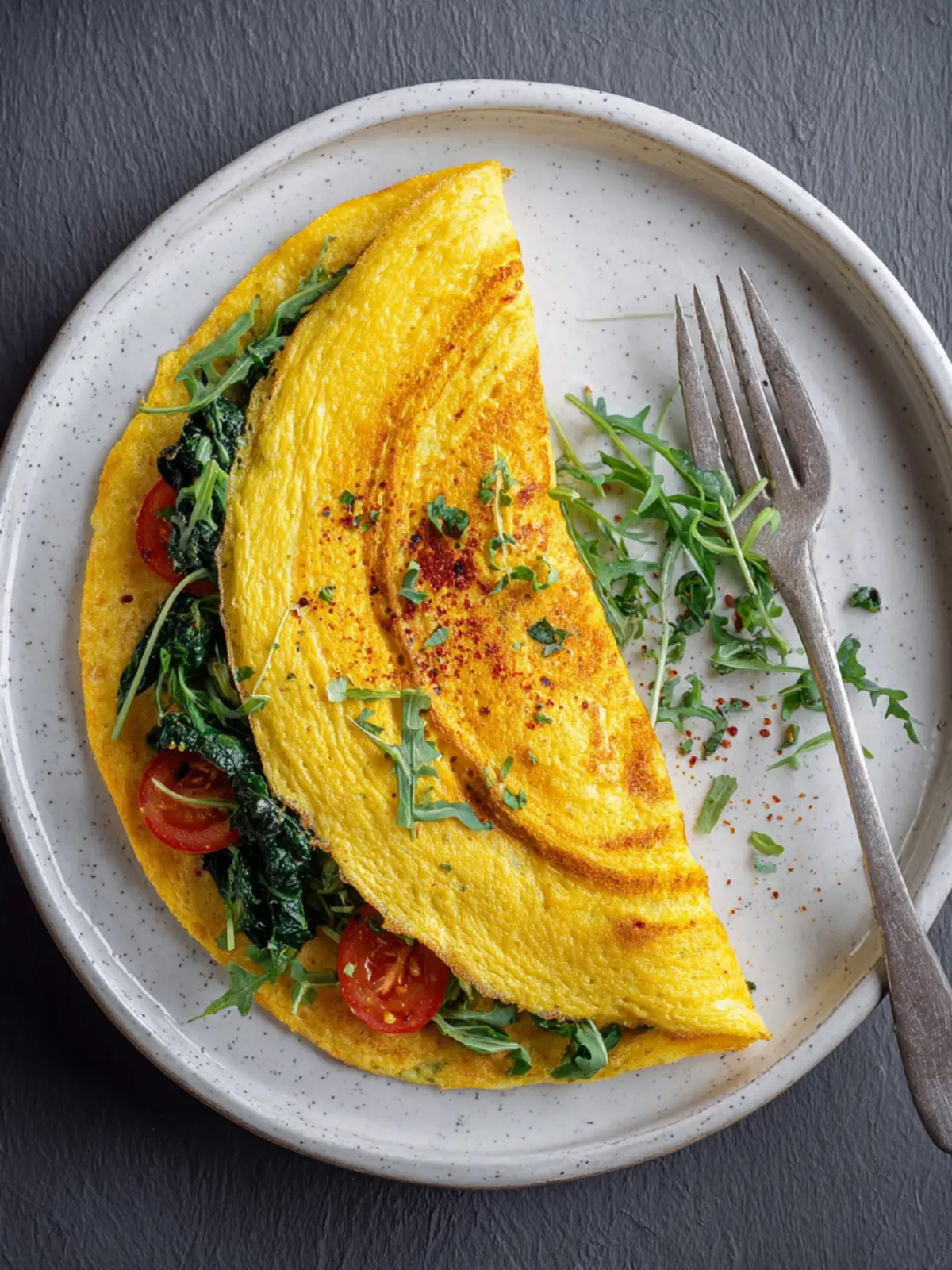
Nutritional Facts for Vegan Omelette
Exploring the vegan omelette that doesn’t stick opens up a world of nutritious possibilities. This delightful dish not only tantalizes your taste buds but also supports your health goals. Here’s what you can expect in terms of nutrition.
Calories
A serving of this vegan omelette contains approximately 180 calories. It’s a satisfying choice that won’t weigh you down.
Protein
Packed with plant-based protein, this omelette offers about 15 grams per serving. This high protein content makes it perfect for sustaining energy throughout your busy day.
Fiber
Enjoy around 6 grams of fiber in each serving. This dietary fiber assists with digestion and keeps you feeling full longer, making it a wholesome addition to your meals.
FAQs about Vegan Omelette
Crafting a vegan omelette that doesn’t stick can seem daunting, but with a few handy tips and tricks, you’ll find yourself flipping perfect omelettes in no time! Here, we address some common questions that might arise while making this delightful meal.
How do I prevent my vegan omelette from sticking to the pan?
To ensure your vegan omelette that doesn’t stick, choose a non-stick skillet and heat it thoroughly before adding your batter. Using a bit of oil or vegan butter can also assist in creating a slick surface that helps with easy release. Remember to swirl the batter evenly in the pan for consistent cooking. Additionally, flipping when the edges are firm, but the center is still a tad soft, can help maintain the omelette’s structure without it sticking.
Can I add other vegetables or ingredients?
Absolutely! One of the beauties of a vegan omelette is its versatility. Feel free to mix in your favorite vegetables such as bell peppers, spinach, or mushrooms. Fresh herbs like chives or parsley can also elevate the flavor. Just be cautious with the moisture content from additional ingredients, as too much liquid may lead to a more fragile omelette that could adhere to the pan.
Is this recipe gluten-free?
Yes, this recipe is inherently gluten-free! It provides the same delightful flavors and textures without incorporating gluten-containing ingredients. Always double-check that any additional items you’re using, like sauces or spices, are also gluten-free to keep everything in line with your dietary preferences.
With these tips, making a scrumptious vegan omelette should be hassle-free and enjoyable!
Conclusion on Vegan Omelette That Doesn’t Stick
In your quest for a vegan omelette that doesn’t stick, you’ve undoubtedly discovered that it is not just a meal; it’s an experience filled with flavor and creativity. Mastering the art of this high-protein delight opens up a world of culinary possibilities. As you whip up your omelette, remember to use a non-stick pan, let the batter set, and embrace your favorite vegetables and spices for a truly personalized dish. Whether it’s a busy weekday breakfast or a leisurely weekend brunch, this versatile recipe is sure to impress. So grab your ingredients and enjoy your delicious creation!
Print
Chickpea Flour Omelette
- Total Time: 25 minutes
- Yield: 2 servings 1x
- Diet: Vegetarian, Gluten-Free
Description
A healthy and delicious chickpea flour omelette packed with vegetables, perfect for brunch or a light meal.
Ingredients
Scale
- 1/2 cup chickpea flour
- 1/2 cup water (plus more as needed)
- 1 tablespoon nutritional yeast
- 1/4 teaspoon turmeric
- 1/4 teaspoon garlic powder
- Salt and black pepper (to taste)
- Drizzle of olive oil (optional)
- 1/3 cup thinly sliced onion
- 3/4 cup spinach (or kale, or collards)
- 1 tablespoon chopped cilantro (or parsley, optional for garnish)
- Dash of crushed red pepper (optional)
Instructions
- Whisk the chickpea flour, water, nutritional yeast, turmeric, and garlic powder. Add salt and pepper to taste. Let it rest 5–10 minutes to hydrate for a better texture.
- Heat a nonstick or cast-iron pan over medium-low heat. Add optional olive oil or cook dry. If using oil, add a light mist of oil (or wipe with a paper towel if keeping low oil).
- Add the thin onion slices. Sauté the onions for about 4 minutes, or until lightly browned and softened. Spread evenly in a circle about the size of the omelette.
- Add the chopped spinach on top. Press it down so the veggies form a flat layer. Cook for 3 minutes to steam and soften greens.
- Pour the batter over the vegetables, tilting the pan slightly to spread. Cover and cook for about 7 minutes, or until the mixture is set.
- Optional add-ins: Add cheese, herbs, or spices, if using. Spread them evenly over the surface.
- Fold and serve. Run a spatula around the edges, and fold gently in half.
Notes
- This recipe is versatile; you can add your favorite vegetables or spices.
- Serve with a side salad for a complete meal.
- Prep Time: 10 minutes
- Cook Time: 15 minutes
- Category: Breakfast
- Method: Stovetop
- Cuisine: Mediterranean
Nutrition
- Serving Size: 1 omelette
- Calories: 150
- Sugar: 2g
- Sodium: 300mg
- Fat: 6g
- Saturated Fat: 1g
- Unsaturated Fat: 5g
- Trans Fat: 0g
- Carbohydrates: 20g
- Fiber: 6g
- Protein: 8g
- Cholesterol: 0mg